
Romy Kuriakose
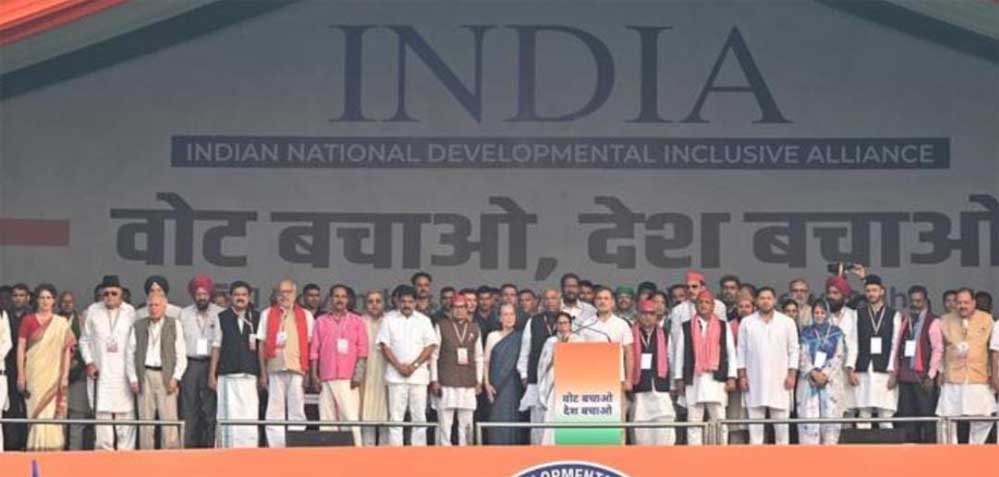
A sea of supporters and INDIA bloc leaders converge in Delhi, putting voting rights, electoral transparency and democratic accountability at the heart of a renewed national political campaign.
Delhi’s historic Ramlila Maidan became the focal point of a major political mobilisation on November 1, as opposition parties under the INDIA bloc came together for the ‘Chalo Dilli – Vote Bachao, Desh Bachao’ march and public rally. The gathering sought to draw national attention to concerns surrounding India’s democratic institutions and the fundamental right of every eligible citizen to vote.
Led by Rahul Gandhi, Leader of the Opposition in the Lok Sabha, the mobilisation brought together prominent political leaders and supporters from across the opposition spectrum. Electoral transparency, the protection of voting rights and accountability within democratic institutions formed the central themes of the gathering.
Congress president Mallikarjun Kharge, Sonia Gandhi and Priyanka Gandhi Vadra joined leaders from various INDIA bloc parties, including Akhilesh Yadav and Mamata Banerjee. Their presence on a common platform, despite differing political backgrounds and regional interests, offered a significant demonstration of opposition unity.
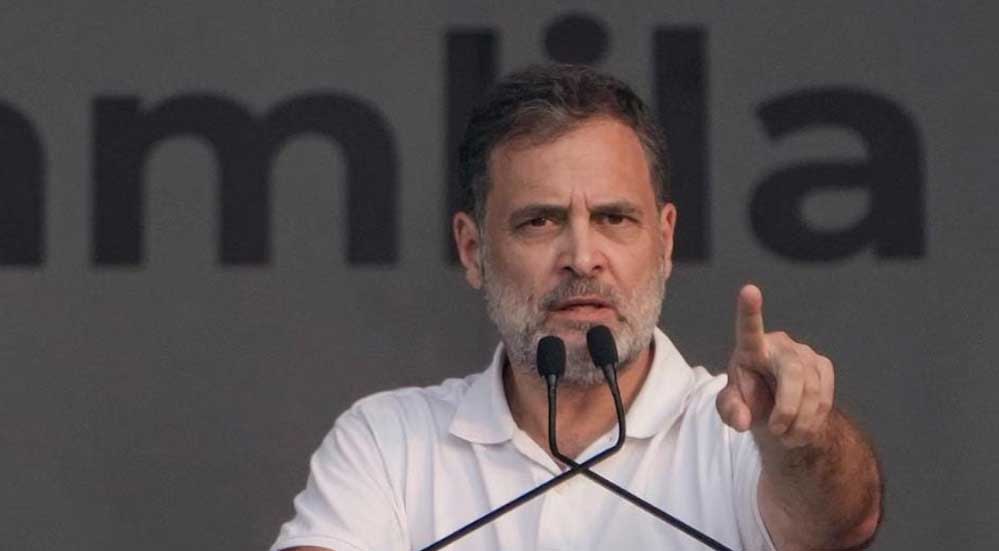
RAHUL GANDHI EMERGES AS THE CENTRAL FORCE
Rahul Gandhi’s leadership and presence stood at the heart of the political mobilisation. The rally provided an important platform for him to bring opposition leaders together and strengthen the Congress-led campaign for electoral transparency and democratic accountability.
The opposition’s principal concerns centre on the Special Intensive Revision (SIR) of electoral rolls. Opposition leaders have alleged that eligible voters risk being excluded from electoral lists and have called for greater transparency in the revision process. They have also demanded the resignation of Chief Election Commissioner Gyanesh Kumar.
The Election Commission, however, maintains that the exercise is intended to identify and remove duplicate and ineligible entries. The BJP has rejected the opposition’s allegations.
Against this backdrop, the rally brought renewed national attention to the wider question of public confidence in India’s electoral system and the need to ensure that every eligible citizen can exercise their democratic right.
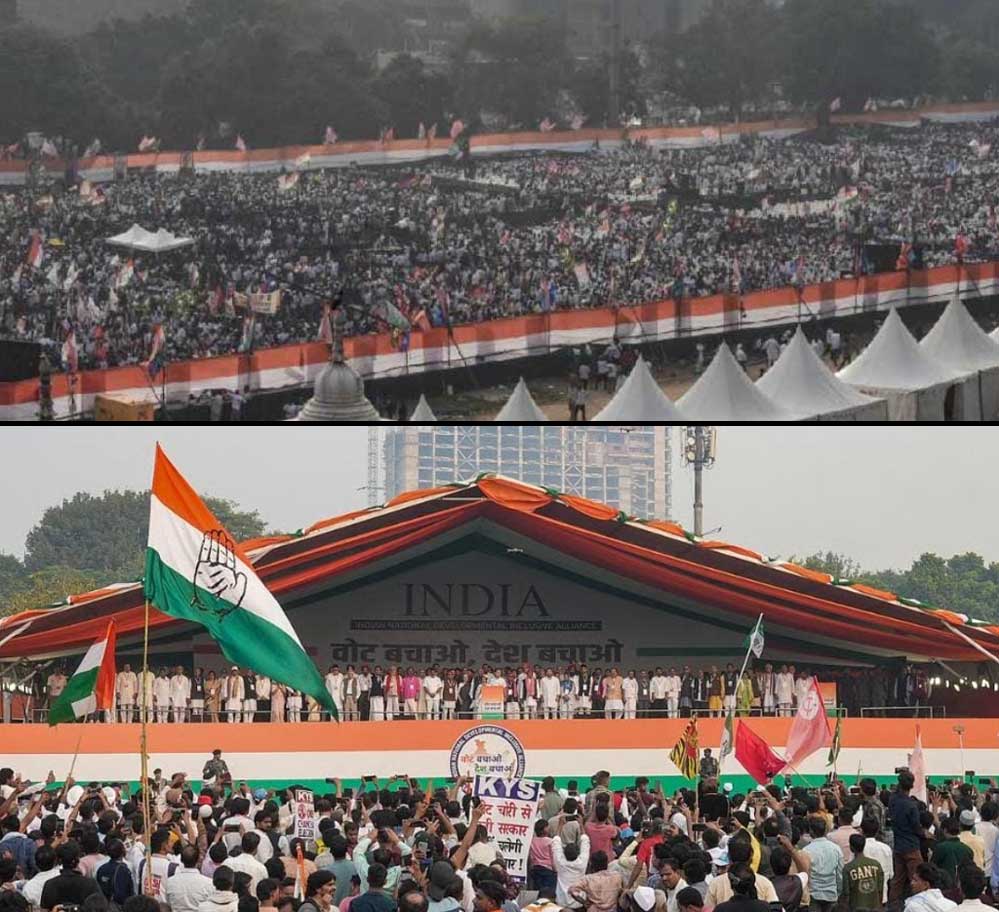
INDIA BLOC UNITY SENDS A STRONG POLITICAL MESSAGE
One of the most significant aspects of the November 1 gathering was the collective participation of leaders from different opposition parties.
Bringing together political organisations with distinct regional priorities and ideological positions is no simple task. Their presence on a shared platform demonstrated a willingness to work together on issues they regard as fundamental to the country’s democratic framework.
For the Congress, the mobilisation offered an opportunity to reinforce its role as a key coordinating force within the INDIA bloc. For regional parties, it provided a national platform to express their concerns and stand alongside fellow opposition parties on a common political issue.
The gathering therefore carried significance beyond the immediate campaign. It demonstrated the potential of collective opposition action at a time when maintaining unity remains one of the alliance’s major political challenges.
A NEW POLITICAL MOMENTUM FOR RAHUL GANDHI AND THE CONGRESS?
The significance of the rally extends beyond the number of people who gathered at Ramlila Maidan. It offered Rahul Gandhi an opportunity to strengthen political relationships across the opposition and present a shared national campaign under his leadership.
For the Congress, it was a moment to reaffirm its organisational and political importance within the INDIA bloc. For the wider alliance, the event provided an opportunity to demonstrate that cooperation among opposition parties can translate into visible public mobilisation.
Whether this gathering develops into a lasting political force will depend on the ability of the alliance to sustain its unity, coordinate its future actions and maintain meaningful engagement with people across the country.
FROM RAMLILA MAIDAN, A MESSAGE TO THE NATION
Ramlila Maidan has witnessed several defining moments in India’s political history. The November 1 mobilisation added another significant chapter to its legacy of public movements and political expression.
The central message emerging from the gathering was that voting rights, electoral fairness and the credibility of democratic institutions are not merely concerns of political parties; they are matters that affect every citizen and the future of the nation.
With Rahul Gandhi at the forefront and leaders from across the INDIA bloc sharing the platform, the gathering presented a powerful image of collective opposition action.
The challenge now is to transform the unity displayed at Ramlila Maidan into sustained political cooperation. The November 1 mobilisation may well be remembered not simply as a rally in the national capital, but as an important moment in the continuing effort to shape a united opposition voice in Indian politics.
Romy Kuriakose
General Secretary | Kerala Chapter
Indian Overseas Congress (UK)
Leave a Comment
Your comment will be visible after admin approval.